Electoral promises of Kosovo mayors for the 2025–2029 governing mandate
22/01/2026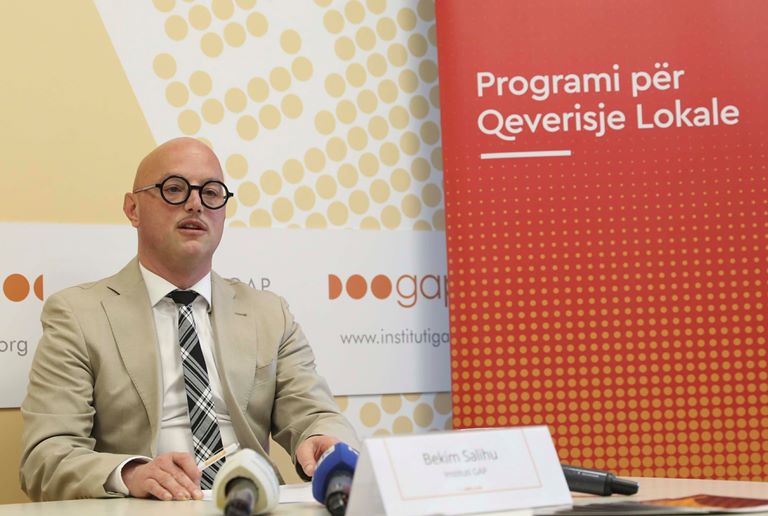
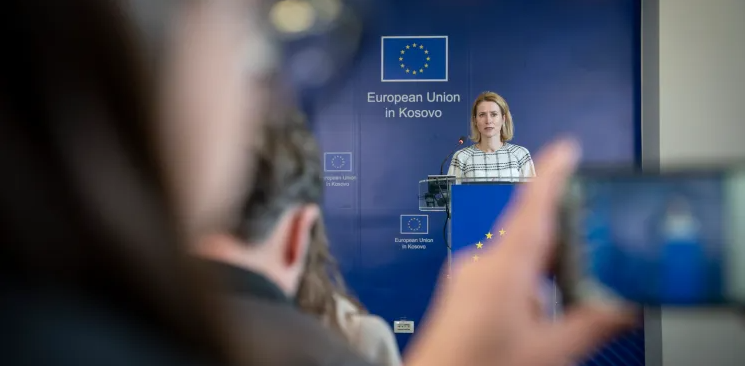
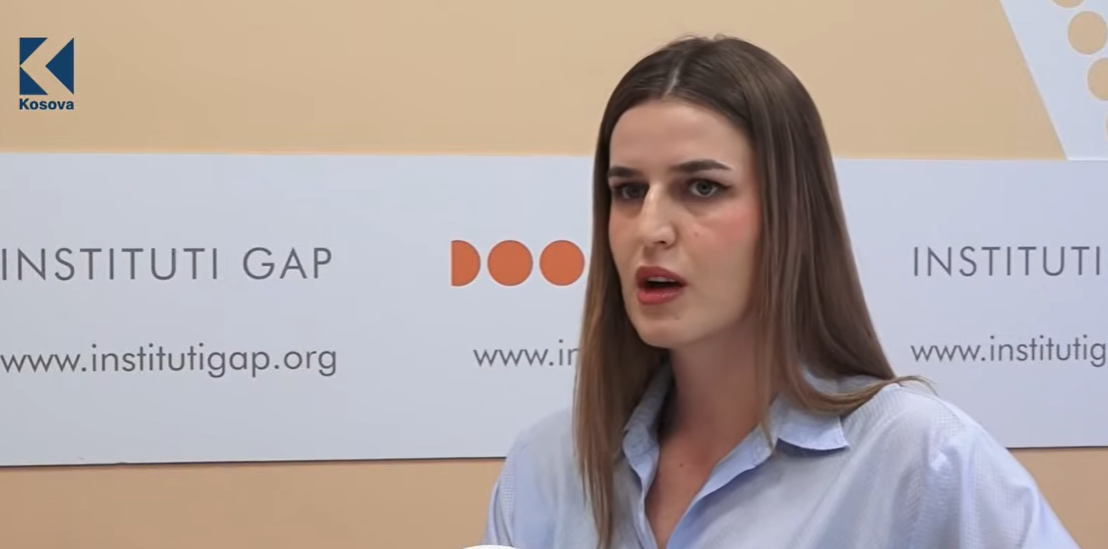
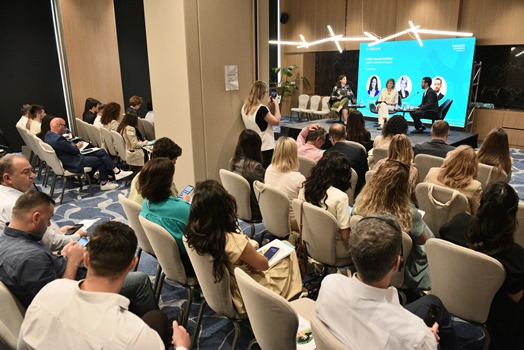
Today, GAP Institute held a press conference where, through the electronic platform Municipal ID, it unveiled the promises made by mayors of Kosovo municipalities during local elections held in October and November 2025. In total, GAP Institute recorded 1,683 promises across 26 municipalities, a decrease of 132 promises compared to the previous mandate.
The largest increase in the number of promises was recorded in Lipjan, Deçan, Fushë Kosovë, Drenas, Obiliq, and Podujevë. Among these municipalities, Lipjan recorded the sharpest rise, from 61 promises in the 2021–2025 mandate to 170 promises in the current mandate; Deçan increased from 20 to 124 promises; Fushë Kosovë from 35 to 110; Drenas from 37 to 88; Obiliq from 69 to 104; and Podujevë from 61 to 88 promises. On the other hand, the largest decline was recorded in Prishtina, from 206 to 115 promises, followed by Kaçanik, Suhareka, Shtime, South Mitrovica, Rahovec, Hani i Elezit, Malisheva, Klina, and Istog.
The sector with the highest number of promises in this mandate is infrastructure, with a total of 382 promises. It is followed by education with 322 promises, public services with 184 promises, and healthcare with 146 promises. In the fields of economy, agriculture, culture, sports, and social issues, the number of promises remains similar to the previous mandate, at around or above 100 promises each. The fewest promises were made in urban planning (51 promises) and administration (50 promises). These data indicate that infrastructure has returned as the main priority in the new mandate, replacing public services, which had been the leading sector in the previous mandate.
In the most recent local elections for mayors, 185 candidates competed, of whom 165 were nominated by political parties, while the remaining candidates ran through civic initiatives or as independents. Out of the 185 candidates, only 20 were women, and only one of them was elected mayor, out of a total of 38 elected mayors.
In this mandate, Vetëvendosje (VV), Democratic Party of Kosovo (PDK), and Democratic League of Kosovo (LDK) will each govern seven municipalities; Serb List (SL) will govern ten municipalities; Alliance for the Future of Kosovo (AAK) will govern five municipalities; while Nisma Socialdemokrate and Turkish Democratic Party of Kosovo will each govern one municipality. Unlike the previous mandate, when political power shifted between parties in 12 municipalities—namely Prishtina, Shtime, Gjilan, Kamenica, South Mitrovica, Prizren, Hani i Elezit, Vushtrri, Dragash, Junik, Mamushë, and Skenderaj—in this mandate, such changes occurred in only three municipalities: Fushë Kosovë, Obiliq, and South Mitrovica.
The winning mayor in Skenderaj, the mayor in Mamushë, and ten mayors in municipalities with a Serb-majority population did not present any electoral promises. Out of 26 winning mayors, 17 had a written electoral program, while nine others presented promises through campaign activities or media appearances.
GAP Institute will continue, as in previous mandates, to periodically assess the fulfillment of electoral promises, with the aim of increasing accountability of mayors toward citizens regarding their campaign promises and programs.
You can find the platform with mayors’ promises at this link:
https://www.komunat.institutigap.org/Premtimet
Infographics are available here.
GAP Institute is supported by Kosovar Civil Society Foundation (KCSF) program ‘EJA Kosovo’, co-financed by the Swiss Agency for Development and Cooperation (SDC) and Sweden.